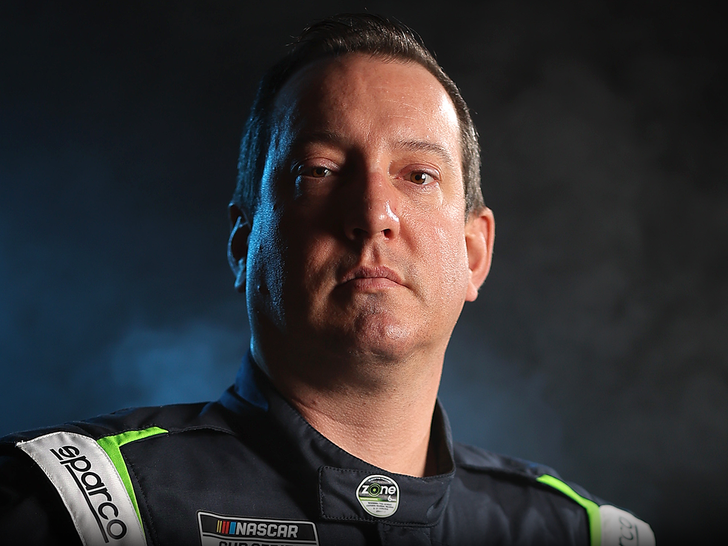
NASCAR fans learned new details Saturday surrounding the sudden death of racing star Kyle Busch after his family confirmed the medical cause behind the tragedy.
In a statement shared, Busch’s family revealed that the 41-year-old driver died after severe pneumonia developed into sepsis, causing overwhelming complications throughout his body.
“The medical evaluation provided to the Busch Family concluded that severe pneumonia progressed into sepsis, resulting in rapid and overwhelming associated complications,” the statement said.
The two-time NASCAR Cup Series champion passed away Thursday after being hospitalized for what had initially only been described as a “severe illness.”

Medical experts say Busch’s case highlights how dangerous pneumonia can become when symptoms worsen rapidly or treatment is delayed.
Pneumonia is a serious respiratory infection that causes fluid buildup in the lungs, making breathing increasingly difficult. The condition can be triggered by bacteria, viruses, or fungi and often comes with symptoms such as coughing, fever, chills, chest pain, and shortness of breath.
Reports indicated Busch had been dealing with a sinus infection before his condition deteriorated.
Fox News senior medical analyst Dr. Marc Siegel explained that the infection likely spread from the upper respiratory system into the lungs.

“This upper respiratory sinus infection progressed to pneumonia,” Siegel said.
According to the doctor, bacterial pneumonia is generally considered more severe than viral pneumonia and can become dangerous very quickly under certain conditions.
Siegel also noted that the intense physical strain associated with racing simulators may potentially worsen breathing issues in someone already suffering from lung inflammation. NASCAR simulators are designed to recreate the powerful G-forces drivers experience during races, placing additional stress on the body.
In Busch’s case, the infection eventually escalated into sepsis, a life-threatening condition that occurs when the body’s immune response becomes uncontrollable and starts attacking healthy organs and tissues.
“The body reacts to this severe lung infection by making inflammatory chemicals. It’s the immune system revving up,” Siegel explained. “But as with a lot of things with the body, the immune system can hurt more than help.”
As sepsis progresses, it can trigger dangerous drops in blood pressure and reduce oxygen delivery throughout the body, sometimes causing lactic acidosis, a severe buildup of acid in the bloodstream.
Siegel warned that organ failure becomes a major risk once the condition spirals.
“The kidneys fail, toxins from the kidneys build up, blood pressure goes down, fever goes up, the lungs fail — something called ARDS,” he said.
ARDS, or acute respiratory distress syndrome, occurs when inflammation causes fluid leakage into the lungs, preventing oxygen from properly entering the bloodstream.

Health experts say warning signs of sepsis may include confusion, rapid breathing, extreme weakness, low blood pressure, elevated heart rate, and bluish or mottled skin.
Doctors continue to stress that sepsis is a medical emergency because patients can decline within hours once the body’s inflammatory response accelerates.
People considered most vulnerable to severe pneumonia and sepsis include older adults, smokers, individuals with chronic lung disease or diabetes, those with weakened immune systems, and patients recovering from recent viral infections.
Busch’s death has stunned the motorsports world, with tributes continuing to pour in for one of NASCAR’s most successful and recognizable drivers.