Ace Frehley didn’t shock Eric Clapton with a solo. He shocked him with a question. Backstage at Madison Square Garden in 1978, no makeup, no entourage, the KISS guitarist walked straight up to the blues legend and quietly asked: “Can I borrow your guitar?” The room froze. This wasn’t bravado. It wasn’t a joke. It was a moment loaded with risk — one rock universe crossing into another. Clapton, the untouchable blues purist. Frehley, the so-called spectacle guy everyone underestimated. Clapton didn’t laugh. He didn’t hesitate. He simply said yes. No speeches. No flexing. Just a silent exchange that said everything about respect, confidence, and how real musicians recognize each other without words. To this day, people still argue what it meant — humility, nerve, or a quiet challenge. But one thing is certain: for a few seconds, rock royalty held its breath.

In the grand tapestry of rock history, there are moments that transcend mere performance — moments that reveal the raw humanity and mutual respect between icons.
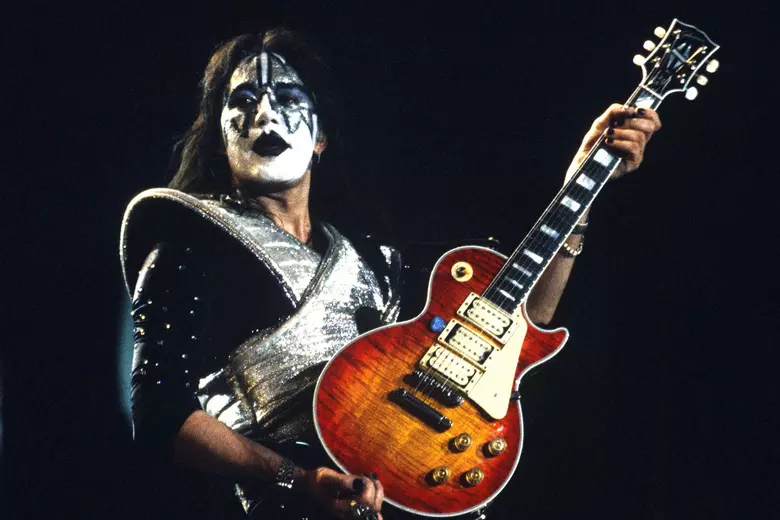
Original Kiss Lead Guitarist Ace Frehley Dead at 74
One such unforgettable night took place in 1978 at Madison Square Garden, during a charity concert that brought together some of the most legendary guitarists of the era.

Among them was Ace Frehley, the “Spaceman” guitarist from Kiss, who stunned everyone by quietly asking Eric Clapton if he could borrow his guitar — a simple request that spoke volumes.


The concert was a rare convergence of rock royalty and blues legends who usually performed in separate orbits.

Jeff Beck was tuning his guitar in a corner, Jimmy Page was deep in conversation with a sound engineer, and Eric Clapton sat quietly with his iconic Fender Stratocaster resting across his lap, eyes distant as he mentally rehearsed his set.


Ace Frehley arrived alone, without his trademark makeup or costume, just jeans, a t-shirt, and his custom Les Paul guitar case.

Unlike the theatrical persona he wore on stage with Kiss, tonight he was simply a musician among musicians.


Backstage, the atmosphere was polite but distant.

Ace was the showman surrounded by virtuosos, and he felt the subtle judgment in the air.

The makeup and pyrotechnics that defined Kiss often overshadowed his musicianship in the eyes of many peers.

But Ace didn’t defend himself — he never did.

He preferred to let his playing speak.
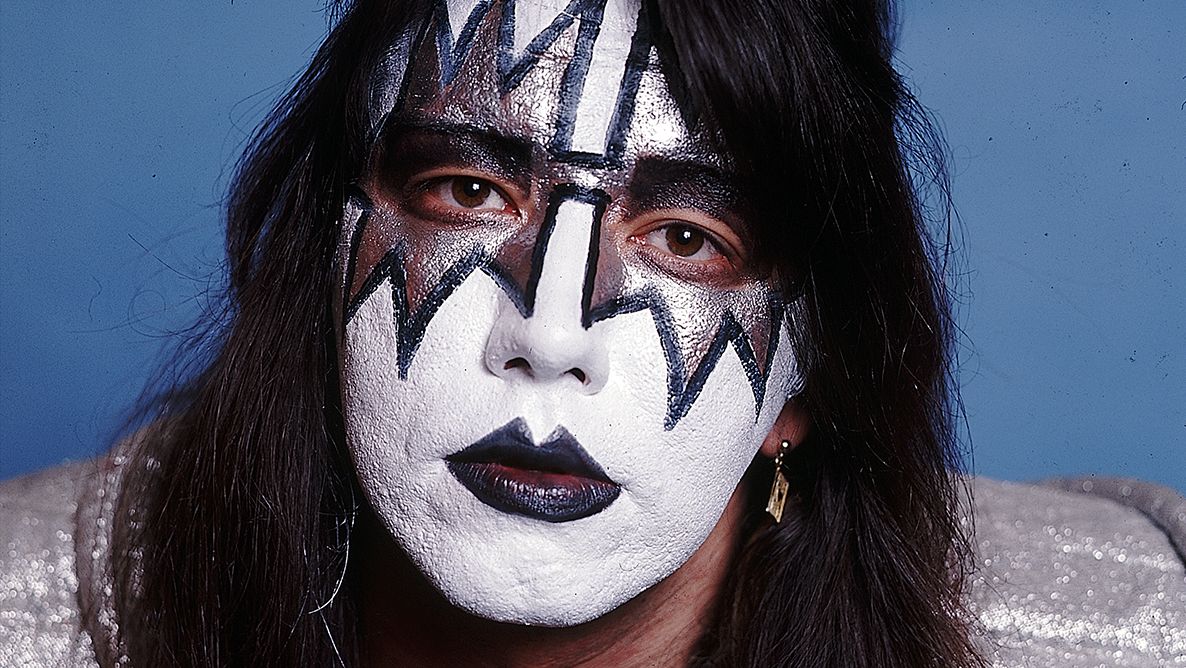
KISS legend Ace Frehley dies aged 74

When it was Ace’s turn to perform, the crowd was curious.

Could the “guy in the makeup” really hold his own without the spectacle? He started with a clean, simple blues progression — no flashy effects, just pure, honest playing.

The notes hung in the air, clear and precise.


Then, disaster struck.

Ace’s amplifier abruptly cut out mid-performance.

The sound died. The crowd murmured.

Backstage, technicians scrambled to bring a replacement amp, but it would take at least a minute — a minute that felt like an eternity in front of 20,000 people.


Ace stood quietly, guitar in hand, waiting patiently.

No pacing, no jokes, no frantic gestures. Just calm endurance.


Then, Eric Clapton walked on stage carrying his Stratocaster — the very guitar he had just played.

In a quiet, conversational tone, he said to Ace, “You could borrow mine if you want.”
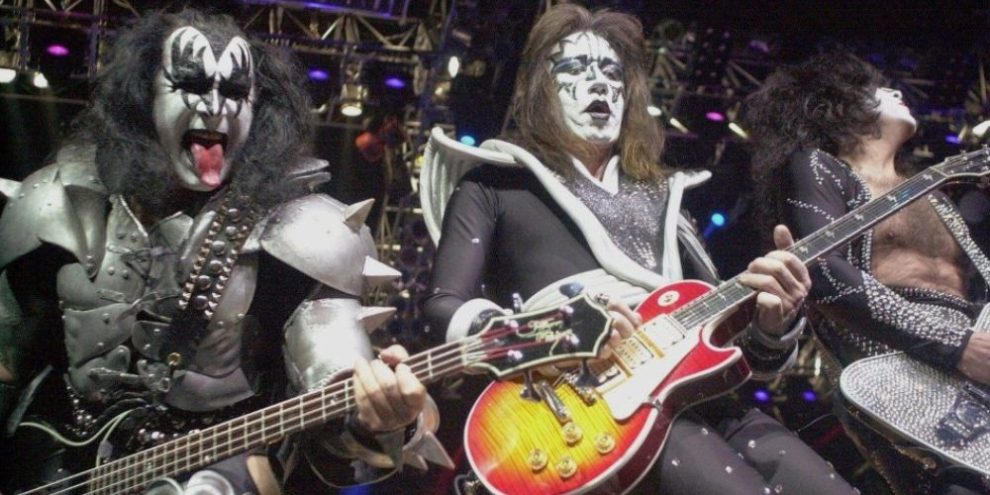
Ace Frehley, Kiss' original lead guitarist and founding member, dies at 74

The arena fell into stunned silence.


Lending a guitar is no small gesture among musicians.

A guitar is an extension of the player — customized pickups, string height, neck curvature — every detail tailored to their touch and style.

To lend such an instrument is to place immense trust in the borrower’s skill and respect.


Ace accepted without hesitation, carefully setting down his Les Paul and picking up Clapton’s Stratocaster.

The feel was different, the balance unfamiliar, but Ace didn’t try to imitate Clapton.

Instead, he played the instrument honestly, interpreting a Cream riff with his own clean, precise style.


What followed was a masterclass in musicianship.

Ace improvised with subtle bends and runs, showing both reverence for Clapton’s tone and his own unique voice.

The crowd began to murmur with recognition, then applauded as the performance grew.


Clapton stood to the side, arms crossed, watching intently.

His expression shifted from polite neutrality to genuine recognition — the look one craftsman gives another when the work behind the product is undeniable.
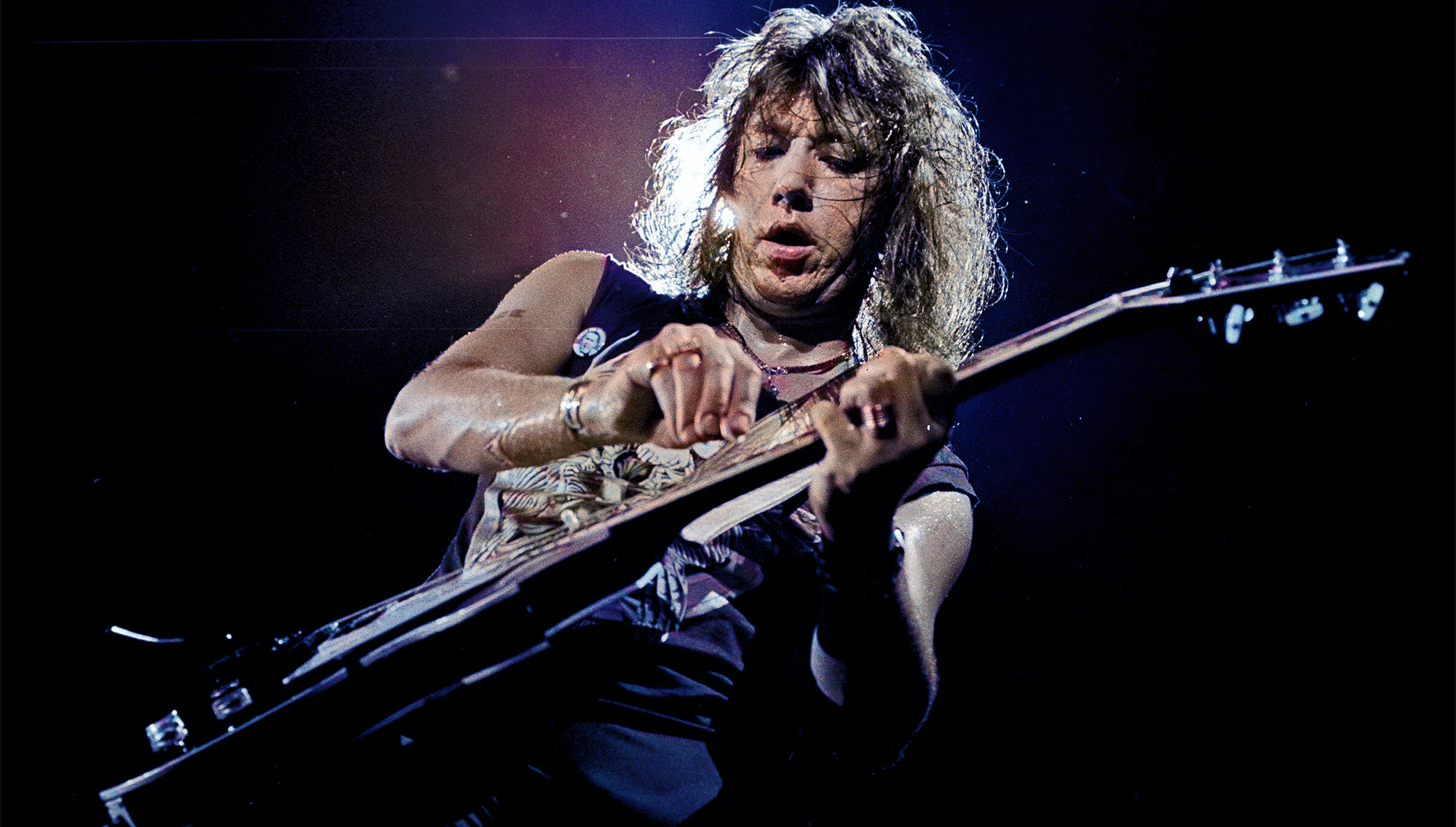
Ace Frehley on Hendrix, Zeppelin, Kiss and his final album | GuitarPlayer

When Ace finished, the applause was genuine and heartfelt — not for spectacle, but for skill and soul.


Later backstage, Clapton approached Ace and shared a candid moment.

He admitted he had once wondered if there was a real player beneath the Kiss makeup and theatrics.

That night, he found his answer.


“Now I know there’s a player who chooses spectacle,” Clapton said.

“That’s different. Because choosing to do something people won’t respect takes more confidence than doing something they will.”


Ace didn’t respond with words — the respect was mutual and profound.


Ace returned to his Les Paul and the replacement amplifier, but his set was over.

He’d said everything he needed to say.


After the concert, while others mingled at the reception, Ace quietly packed up and headed for the exit.

Eric Clapton caught up with him, and they shared another brief handshake and conversation about the night and the music business circus they both navigated.


Years later, Clapton reflected on that night, saying, “I learned that the quietest players are often the most confident.” Ace never used the story to boast.

It was simply a reminder that true skill doesn’t need costumes, and respect doesn’t need volume.


Ace Frehley went back to Kiss, to the makeup, the fire, and the spectacle — but on his own terms.

That night at Madison Square Garden remains a testament to the power of honest music and the unspoken bond between musicians.

 

Related Posts

It was meant to be a quiet moment of mourning — until Robin Williams dropped into the chair beside Carol Burnett and turned grief into a live-wire performance. Carol clutched her tissues, bracing for composure. Robin arrived with the emotional intensity of someone plugged straight into the afterlife. Every time she steadied herself, he escalated — a sudden wail, a whispered aside, a noise no human vocal cords should survive. The room wasn’t crying anymore. It was convulsing. And somewhere between the “BOO!” and the unholy keening, Carol gave that unmistakable look — the one that says: If I make it through this, someone owes me flowers. Grief didn’t stand a chance.

It was meant to be solemn. Respectful. Controlled.A quiet moment of grief where words would be unnecessary and silence would do the heavy lifting. Then Robin Williams…

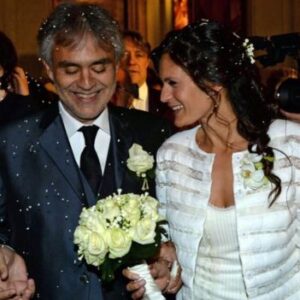
“THIS WASN’T JUST A DUET — IT WAS A LIFE SHARED IN TWO VOICES.” Andrea Bocelli didn’t perform beside Veronica Bocelli. He stood with her — close enough to feel the breath between notes. No gestures. No spectacle. Just stillness, and everything it carried. The pauses held years of struggle. The softness carried strength. Pain didn’t disappear — it transformed. Their voices never tried to outshine each other. They leaned in, like two people who’ve carried the same weight for a lifetime and finally set it down together. The room grew smaller. Warmer. Almost sacred. And when the final note faded, nothing hurried in to replace it. Some music ends. This one stayed.

There were no sweeping introductions. No dramatic lighting cues. No attempt to make the moment bigger than it needed to be. In that quiet space, Andrea Bocelli…

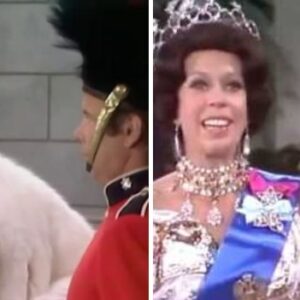
In this royal-themed episode of The Carol Burnett Show, Tim Conway appears as a perfectly planned disaster. He steps onto the stage stiff as a statue, painfully formal, each movement just a little too slow for comfort—and Carol Burnett immediately senses something is wrong. Then he speak Carol tries to stay in character as the queen—turning away, covering her mouth, taking deep breaths—but the more serious Tim becomes, the more everything falls apart. One awkward bow, one completely wrong gesture, and the entire stage begins to collapse in laughter. The brilliance is that nothing is overtly outrageous. It’s all in how Tim Conway deliberately does everything wrong in the most precise way possible—and that’s exactly why Carol Burnett can’t go on.

When Carol Burnett Couldn’t Hold It Together — and Television Chose to Keep the Truth In the history of American television, some moments are never written into…

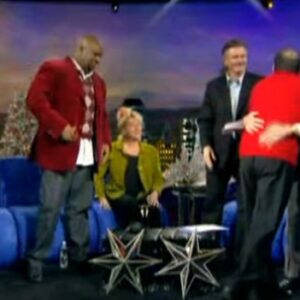
Tim Conway didn’t need cue cards or clever tricks. He just sat down, paused for half a second, and the entire Christmas studio fell apart. The second he opened his mouth, everything unraveled. Nazareth tried—really tried—to keep a straight face, but broke almost instantly. The hosts were hanging on by a thread, seconds away from losing it on live TV. And Conway? He just sat there with that quiet little grin, knowing exactly what he’d done, lighting up the room like it was Christmas morning. Time seemed to stop as laughter took over, the kind of laughter you can’t fake or plan. It was pure, simple, silly joy—and that’s why, years later, the clip still keeps popping up and still makes people laugh just as hard. Some things never get old, and Tim Conway being effortlessly funny might be one of the greatest gifts American TV ever had.

Tim Conway and Christmas 2008: When a Comedy Legend Didn’t Even Need a Script to Steal the Entire Show Some Christmas specials are just seasonal programs. But…

One small pause. One silent smile. And just like that, Tim Conway turned a calm Christmas studio into pure chaos—without saying a single word. You can watch it happen in real time: people biting their lips, eyes filling with tears, hosts struggling not to lose it on live TV. Tim doesn’t move. He doesn’t rush. He just sits there, calm and knowing, like he already sees the punchline coming while everyone else is walking straight into it. No sound. No big gesture. Just perfect timing. More than 50 years later, it still hits the same. That’s why this clip shows up every holiday season. Real joy doesn’t get old—and neither does Tim Conway.

Tim Conway and Christmas 2008: When a Comedy Legend Didn’t Even Need a Script to Steal the Entire Show Some Christmas specials are just seasonal programs. But…

A six-member vocal group from Ireland once stopped the internet in its tracks with a hauntingly beautiful version of “Oh Holy Night.” The moment it dropped, people couldn’t look away—more than 38 million views poured in as listeners replayed it over and over, chills running down their spines. Their voices blended so smoothly it felt calm, warm, and powerful all at once. Sadly, just two years after coming together, the group went their separate ways, leaving fans wishing for more. Still, their version of this Christmas classic lives on, standing as one of the most loved covers ever recorded. Pure, soothing harmony. A truly beautiful take on a timeless song—well done.

Christmas time brings forth a whole other wave of music that dominates the airwaves, commercials, and music stations of the world in a joint celebration of this…