Brooks Rosser’s run to the Top 7 on American Idol Season 24 helped establish him as one of the more emotionally grounded contestants of the season, and his relationship with fellow contestant Rae Boyd quickly became part of that public narrative.

Rosser, a 23-year-old from Bel Air, built much of his appeal around acoustic-style performances and a relaxed stage presence rather than highly theatrical arrangements. That approach translated naturally into quieter, guitar-driven moments, including the romantic duet he later shared with Rae Boyd. The performance leaned more toward intimacy than spectacle, using simple instrumentation and vocal chemistry to create its effect.
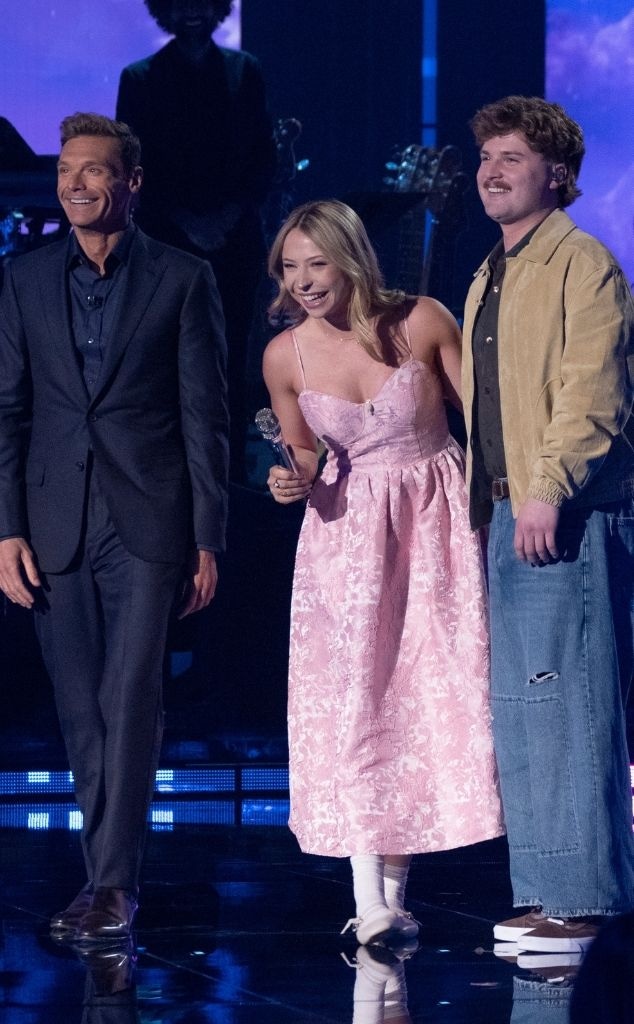
In duet settings like this, the dynamic between performers often matters more than technical complexity. Rather than competing vocally, Rosser and Boyd appeared focused on balance and interaction, allowing the guitar accompaniment to keep the arrangement understated. This type of performance tends to resonate with audiences because it feels personal and unforced, especially in a reality-show environment where viewers are already invested in contestants’ off-stage relationships.

Their connection had already drawn attention earlier in the season after the relationship became public during a live episode of American Idol. Once that reveal happened, audience perception of their performances shifted. Moments that might previously have been viewed simply as musical collaboration began carrying additional emotional meaning for viewers following their story.
The romantic tone of the duet also aligned with Brooks Rosser’s broader musical identity on the show. His performances often emphasized warmth, vulnerability, and accessibility rather than vocal aggression. Acoustic guitar arrangements supported that image well, reinforcing the sense of authenticity that many fans connected with throughout the season.
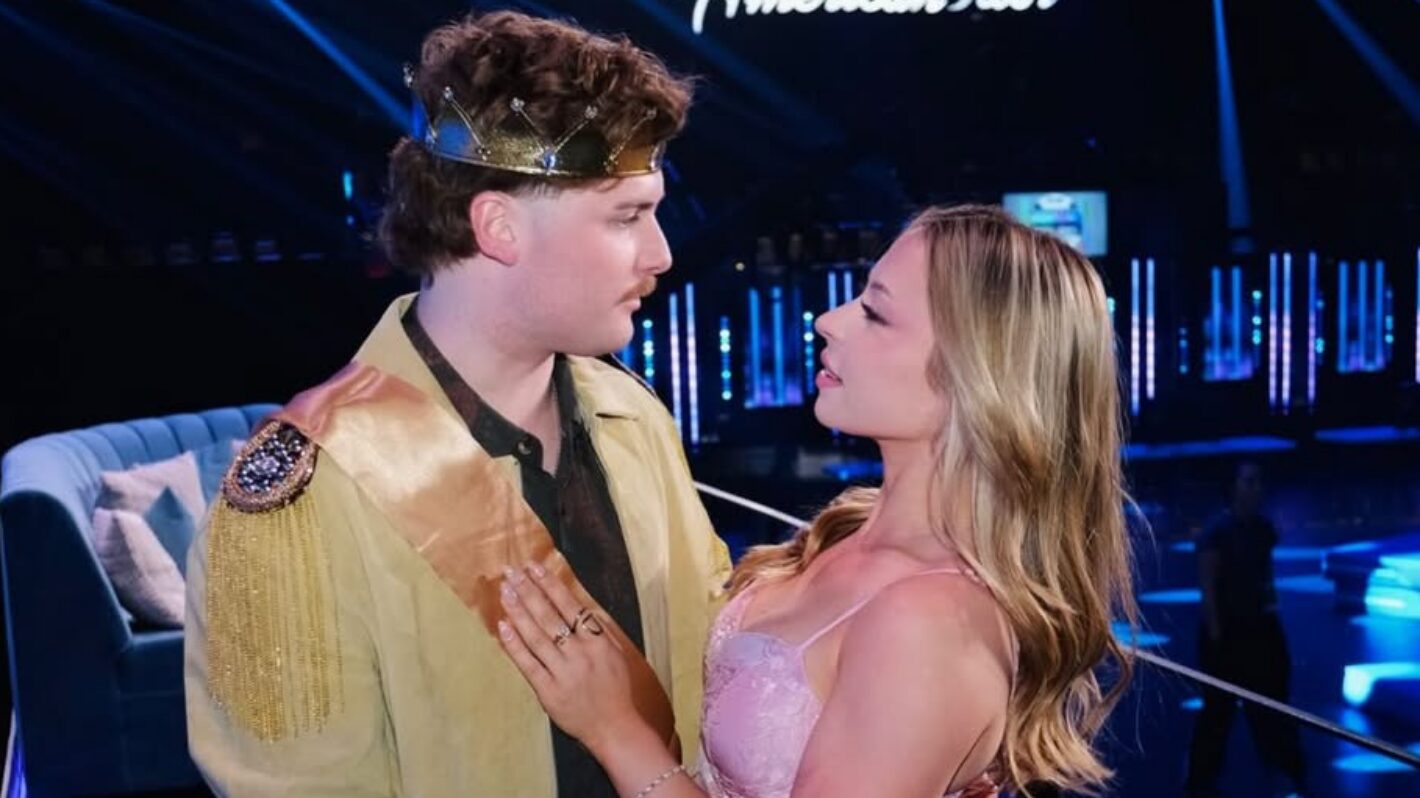
For Rae Boyd, the duet likewise highlighted a softer performance mode compared to the pressure of solo competition rounds. Duets on talent shows can sometimes reveal different aspects of contestants because the focus moves away from individual advancement and toward musical interaction. In this case, the performance functioned as both entertainment and relationship storytelling.
Although Rosser was ultimately eliminated before the finale, moments like this helped extend audience interest beyond rankings and voting outcomes. In modern reality competitions, personal narratives frequently continue shaping public attention even after contestants leave the show itself.
The duet ultimately worked not because it attempted to be grand or overly produced, but because it matched the tone audiences had already associated with the pair: understated, personal, and emotionally direct.